
InterGlobe Aviation Joins BSE SENSEX: Impact of Index Reshuffles on Mutual Funds

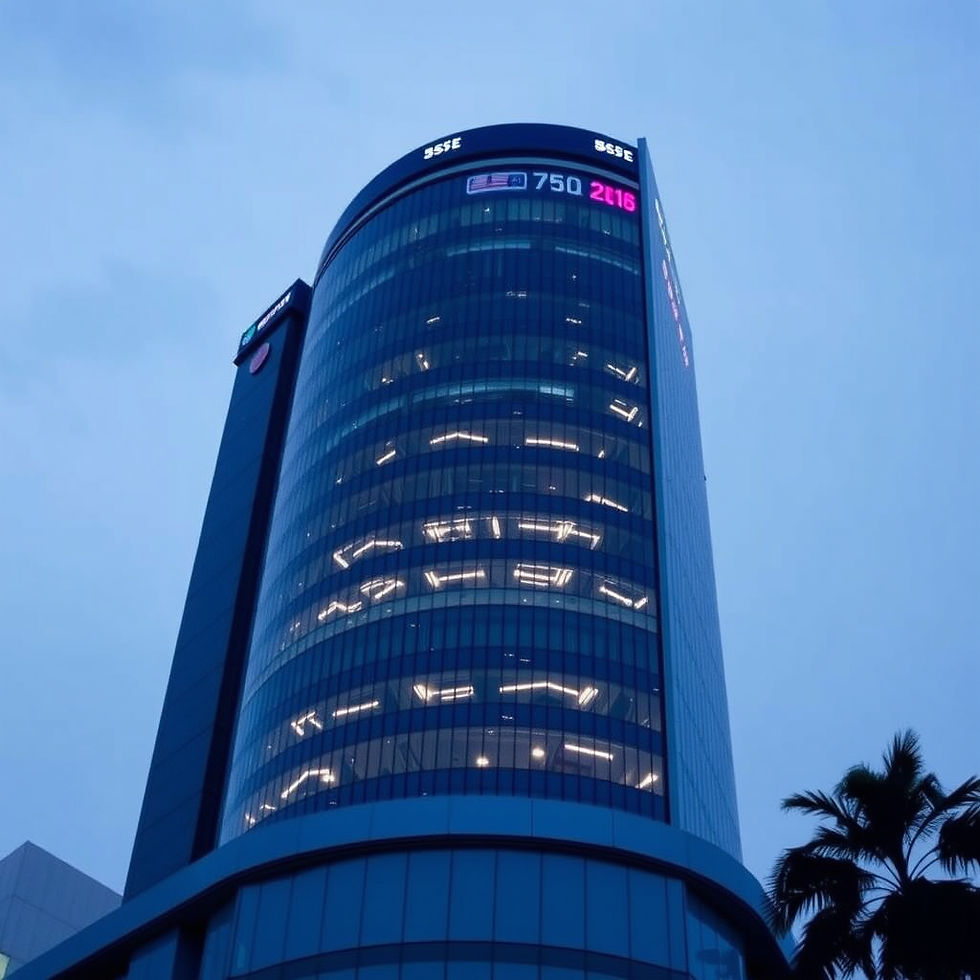
The SENSEX changes December 22 have caught the attention of investors and market watchers alike. The BSE index reshuffle December 2025 marks a significant shift as InterGlobe Aviation (IndiGo) JOINS SENSEX, replacing Tata Motors Passenger Vehicles. This reshuffle is not just a routine update; it carries important implications for mutual funds, especially those tracking the SENSEX and related indices. Understanding these changes helps investors and portfolio managers navigate the evolving market landscape and anticipate the index rebalancing mutual funds impact.
What Happened on December 22, 2025
On the effective date - reshuffle live NOW December 22, 2025, InterGlobe Aviation officially became part of the SENSEX, one of India’s most closely followed stock indices. This inclusion reflects the company’s growing market capitalization and prominence in the aviation sector. At the same time, Tata Motors Passenger Vehicles was removed from the index, signaling a shift in sectoral representation.
Alongside the SENSEX changes, other indices like BSE 100 and BSE Bankex also underwent rebalancing. These adjustments ensure that the indices accurately represent the current market structure and investor interests.
Why Does the BSE Index Reshuffle Matter?
Index reshuffles are more than just a list update. They trigger a cascade of effects across the financial ecosystem:
Index funds automatically adjust their portfolios to match the new index composition. This process is known as passive rebalancing.
Lakhs of crores flow into new constituents like InterGlobe Aviation, while funds divest from removed stocks such as Tata Motors Passenger Vehicles.
These large-scale transactions can influence market sentiment and fund performance in the short term.
Investors holding mutual funds that track these indices may notice changes in their portfolio holdings and returns.
For retail investors and SIP holders, these changes can explain why their fund’s composition or performance shifts around the reshuffle date.
How Index Rebalancing Affects Mutual Funds
Mutual funds that track indices like the SENSEX follow a passive investment strategy. When the index changes, these funds must buy or sell shares to mirror the new index weights. This process has several consequences:
Portfolio adjustments happen automatically without fund managers actively choosing stocks.
The buying pressure on new entrants like InterGlobe Aviation can temporarily boost their stock prices.
Stocks removed from the index, such as Tata Motors Passenger Vehicles, may see selling pressure.
The overall fund performance may fluctuate due to these changes, especially if the new constituents perform differently than the removed ones.
For example, after the SENSEX entry of InterGlobe Aviation, funds tracking the index had to allocate capital to this stock, leading to increased demand. This shift can benefit investors if the new stock outperforms, but it also introduces sectoral risk changes.
What Investors Should Watch Next
Investors tracking their portfolios or mutual funds should keep these points in mind:
Review fund holdings after the reshuffle to understand new exposures.
Expect some volatility around the reshuffle date as markets adjust to the new index composition.
Consider the long-term impact of the reshuffle rather than reacting to short-term price movements.
Stay informed about sectoral shifts, such as the increased weight of aviation stocks in the SENSEX due to InterGlobe Aviation’s inclusion.
Portfolio managers and capital management students can use this reshuffle as a case study on how index changes influence market flows and investor behavior.
Broader Market Implications of the December 2025 Reshuffle
The BSE index reshuffle December 2025 reflects broader trends in the Indian economy and stock market:
The rise of InterGlobe Aviation highlights the growing importance of the aviation sector in India’s growth story.
The removal of Tata Motors Passenger Vehicles may indicate changing dynamics in the automobile sector.
Rebalancing of indices like BSE 100 and BSE Bankex ensures that these benchmarks remain relevant and representative.
The reshuffle triggers lakhs of crores in fund flows, impacting liquidity and valuations across sectors.
These changes also affect market sentiment. Investors often view index inclusions as a vote of confidence, which can attract more interest in the new constituents.
What This Means for Your Mutual Funds
If you invest in mutual funds, especially index funds or ETFs tracking the SENSEX or related BSE indices, the reshuffle has direct effects:
Your fund’s portfolio composition will change to include InterGlobe Aviation and exclude Tata Motors Passenger Vehicles.
The fund’s performance may be impacted by how these stocks perform going forward.
Passive funds will automatically adjust holdings, so you don’t need to take action unless you want to rebalance your personal portfolio.
Understanding these changes helps you avoid surprises when your fund’s NAV or holdings update.
For SIP investors, these changes are part of the market’s natural evolution. Staying informed helps maintain confidence in your investment strategy.
Comments